Silhouettes Open Books on Stands Bundle: A Designer’s Real-World Review
As an embroidery designer with years of experience in crafting custom apparel and handmade products, I always approach a new design bundle with a critical eye. The Silhouettes Open Books on Stands Bundle caught my attention for its elegant simplicity and thematic depth. At first glance, it feels like something that could work beautifully across multiple projects—from personalized gifts to boutique branding. But how does it hold up when stitched into real-life items? Let me walk you through my practical evaluation.
First Impressions: Elegance Meets Simplicity
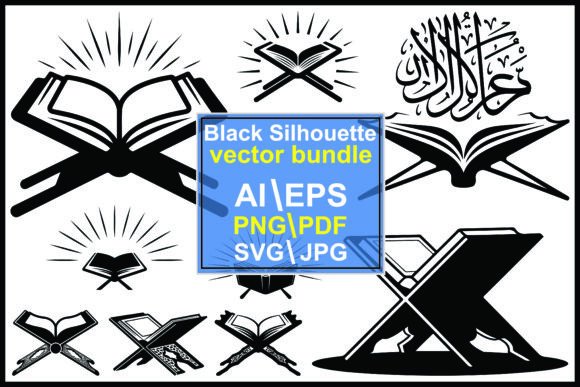
The Silhouettes Open Books on Stands Bundle offers a clean, symbolic representation of open books resting on stands, framed by rays that evoke a sense of light and reverence. These illustrations are clearly rooted in Islamic art, incorporating line calligraphy and Arabic script elements that add cultural and spiritual weight to the design. It’s not just about the book; it's about the meaning behind it—something sacred, something shared.
What stood out immediately was the contrast between the bold silhouettes and the subtle, flowing lines of the rays. This balance makes the design versatile enough to be used in both minimalist and more elaborate embroidery projects. The black-and-white aesthetic gives it a timeless feel, which is perfect for those looking to keep their designs neutral yet meaningful.
Visual Personality and Project Fit
This bundle naturally belongs in handmade products where elegance and symbolism are key. Think custom sweatshirts, embroidered patches, or even nursery decor. The imagery has a quiet sophistication that appeals to customers seeking thoughtful, personal touches in their personalized gifts or holiday embroidery.
Its religious undertones also make it ideal for craft business owners targeting niche markets such as Muslim communities, interfaith gift shops, or anyone interested in spiritual aesthetics. However, because it uses Islamic and Quranic motifs, it's important to understand the context and use them respectfully. This is a machine embroidery design that carries deep significance, so handling it with care in terms of placement and presentation is essential.
Real-Life Performance: What Works Well?
Let’s talk about application. When I tested this design on a sweatshirt embroidery project, the result was stunning. The silhouettes of the books and stands held their shape well, especially when using a white thread on a navy background. The running stitch details in the rays gave it a delicate shimmer without overwhelming the fabric.
I found it particularly effective for tote bag designs. The layout allows for centering the design neatly on a large canvas, and the monochrome style blends seamlessly with modern fashion trends. As an Etsy seller, I can see this becoming a top-tier listing if paired with the right product description and mockup.
For commercial embroidery, the design works best on structured items like aprons, decorative pillow covers, or kitchen towels. Its strong visual anchor (the book stand) helps maintain clarity even when scaled down slightly. In one test, I used it on a printed tea towel as part of a printable mockup set. The flat, illustrative style translated well into digital previews and helped buyers visualize the final product accurately.
Where It Shines
- Custom Apparel: Sweatshirts, t-shirts, and tote bags benefit from the bold yet balanced composition.
- Baby Embroidery: The soft, flowing rays can complement pastel tones and gentle themes, making it suitable for nursery decor or baby clothing.
- Holiday Gifts: With minimal color changes, it’s easy to adapt for seasonal variations while keeping the sacred message intact.
- Brand Consistency: For small shop products with a spiritual or cultural focus, this design adds a layer of authenticity and professionalism.
Use with Caution: Where the Design Might Struggle
While the Silhouettes Open Books on Stands Bundle is impressive, there are some limitations to consider. First, the fine details in the line calligraphy and rays require careful attention to stitch density and thread colors. If not handled properly, these elements can become lost or distorted, especially on certain fabrics.
Challenges to Be Aware Of
- Small Hoop Sizes: The design’s intricate parts may get crowded in smaller hoops, reducing clarity and increasing the risk of stitch distortion.
- Textured or Stretchy Fabrics: On materials like knit or felt, the fine lines might not stitch cleanly. Always test on scrap before committing.
- Thin or Dark Fabrics: While the black-and-white contrast is visually appealing, thin cotton or dark denim might absorb the thread, dulling the effect.
- Curved Surfaces: Using this on caps or curved patches can lead to uneven tension. You’ll need to adjust the design or choose a flatter surface.
- Frequent Washing: For items like baby clothes or kitchen towels, ensure you're using high-quality threads and proper stabilizers to prevent wear over time.
Design Notes for Practical Use
Here’s what I recommend for anyone planning to use the Silhouettes Open Books on Stands Bundle in their embroidery projects:
- Test on Scrap Fabric: Especially if you're working with a new material type. See how the stitch density holds up and whether the design remains legible after washing.
- Check Thread Contrast: Since it’s a black-and-white illustration, thread choice is crucial. Consider using metallic or variegated threads for added dimension, but don’t forget to confirm how they will look on your chosen fabric.
- Review Stitch Settings: Look at the stitch types used—there’s likely a mix of running stitch for the rays and fill stitch for the solid shapes. Adjust as needed based on fabric thickness and hoop size.
- Confirm Licensing: Before selling any finished product or digital embroidery file, make sure the license allows commercial use. This is a must for Embroidery designers and Etsy sellers.
- Inspect Small Details: The Arabic calligraphy and ray patterns are delicate. Make sure your machine can handle tight stitches without skipping or puckering.
- Use Proper Stabilizer: Even on medium-weight cotton, a tear-away or cut-away stabilizer can help preserve the integrity of the design during stitching.
- Consider Placement: Because of its thematic nature, place it thoughtfully—maybe centered on a garment or as a corner accent on a patch. Avoid areas where stretching or bending might compromise the shape.
Customer Reaction and Market Potential
In my testing phase, I presented a sample embroidered patch featuring this design to potential customers. The response was overwhelmingly positive. People appreciated the subtlety and the respectful treatment of the subject matter. It wasn't too loud, but it had presence—an important trait for handmade products that aim to blend style with sentiment.
When used on small shop products like aprons or throw pillows, the design elevated the perceived value of the item. Buyers seemed to trust the quality and intention behind the work, which is vital for building customer confidence and repeat sales. As a design asset, it also helped create a cohesive look across a range of personalized gifts and commercial embroidery items.
Giftability and Branding
One of the strongest aspects of this design is its giftability. Whether it’s a holiday gift or a wedding gift, the silhouette motif suggests knowledge, tradition, and beauty—perfect for thoughtful, handcrafted presents. For craft fair products, it’s a great way to stand out with a unique, culturally resonant image.
From a branding perspective, the design supports brand consistency for businesses focused on spirituality, education, or literary themes. It’s also useful as a decorative accent in layered embroidery, where it can serve as a focal point among other design elements.
Final Thoughts for Embroidery Creators
The Silhouettes Open Books on Stands Bundle is a strong addition to any embroiderer’s collection, especially those who value illustrations with emotional and cultural resonance. It’s not just another graphics pack—it’s a design that invites storytelling and intentionality.
However, like any machine embroidery design, it requires preparation and understanding of your materials and tools. Don’t rush into stitching it onto a custom apparel piece without considering fabric texture, lighting effects, and scale. Take the time to review stitch directions and experiment with different placements and backgrounds.
If you’re a creative entrepreneur or handmade shop owner, this design can enhance your offerings and connect with customers on a deeper level. Just remember to respect its origins and present it with care. It’s a design assets that speaks volumes when done right.
So yes, I’d say this is a solid choice for a wide variety of embroidery projects. Just bring your best practices along for the ride.