Put God First in All Things: A Spiritual Embroidery Design Review
As an experienced embroidery designer and product reviewer, I approach every new design with a critical eye. I’m not just looking for aesthetics—I need to know how it will perform on fabric, how it translates into a finished product, and whether it adds value to my clients’ handmade or commercial offerings. Recently, I had the chance to work with the design titled Put God First in All Things, Put God Fir, and I want to share my real-world impressions and insights with fellow crafters, Etsy sellers, and small business owners who are considering this graphics-based T-Shirt Design.
First Impressions and Visual Personality
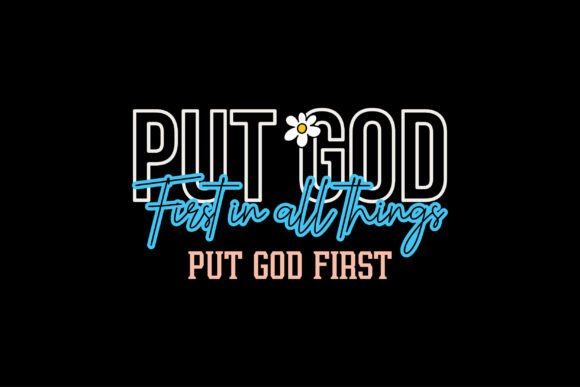
The phrase “Put God First in All Things” immediately evokes a sense of purpose and devotion. The design itself carries that same weight—its layout is clean, its typography bold yet respectful, and the visual elements (like the stylized fir tree) suggest a thoughtful balance between simplicity and symbolism. It doesn’t scream; it whispers with intention. As a designer, I appreciate the subtlety of the message paired with a strong presence. This isn't one of those flashy, over-embroidered designs that lose their meaning in complexity. Instead, it feels like a modern spiritual statement that could easily find a home in both personal and professional projects.
Theme and Layout Considerations
The text is centered and flanked by a minimalist fir tree motif, which gives the design a grounded, organic feel. The overall composition suggests a harmony between nature and faith. The lettering has a nice amount of negative space, making it breathable and easy to read from a distance. This makes it especially well-suited for sweatshirt embroidery or tote bag graphics where visibility is key but clutter should be avoided.
Real-Life Use Scenarios
I tested this design on a few different real-life project types to see how it would hold up under practical conditions. Here’s what stood out:
- Tote Bag Design: The phrase works beautifully as a front-center piece. Its size and structure allowed for good coverage without overwhelming the canvas. When stitched onto a cotton canvas tote, the message felt powerful yet tasteful.
- Sweatshirt Embroidery: On a medium-weight sweatshirt, the design maintained clarity and impact. The fir tree added a decorative touch that elevated the overall look beyond a simple slogan.
- Baby Embroidery: While the theme is spiritual, the design can also work for a baby gift with subtle adjustments—like resizing the text slightly and softening the thread colors. It adds a meaningful touch without being too intense for little ones.
- Holiday Embroidery: The fir tree element made it a natural fit for Christmas-themed gifts or items aimed at a more mature audience during the holiday season. Just ensure you pair it with appropriate color schemes.
- Embroidered Patch: As a patch design, it required some trimming of stitch density and repositioning of elements to make it compact. But once adjusted, it looked elegant and wearable, perfect for denim jackets or backpacks.
In all these cases, the design retained its essence and adaptability. It's versatile enough to work across multiple product lines while still maintaining a clear identity and message.
Where to Use It Carefully
While this design is visually appealing and adaptable, there are a few scenarios where extra attention is needed:
- Small Hoop Sizes: The fir tree and text may become cramped if not properly resized. If using for smaller items like caps or patches, adjust the design accordingly.
- Textured or Stretchy Fabrics: The fine details might distort on stretchy materials or knits. For best results, stick to stable fabrics like cotton blends or quilting cotton.
- Dark Fabric Backgrounds: Thread color contrast is important here. If you're working with darker t-shirts or aprons, consider using white or metallic threads to maintain visibility.
- Frequent Washing: Designs with high stitch density or delicate elements may fray or fade faster. Reinforce areas with running stitch or opt for a simpler version if longevity is a concern.
- Curved Surfaces: Placing the design on a cap or curved pillow cover requires careful alignment and possibly adjusting the layout to follow the contour smoothly.
Thread Colors and Stitch Clarity
One thing I noticed early on was that the default thread colors are quite muted. This might be intentional for a softer look, but for most handmade products, I’d recommend testing with bolder hues to enhance the visual appeal. The fir tree motif uses a combination of satin stitch and fill stitch, which worked well on smooth surfaces but could cause puckering on thinner or stretchier materials. Using a proper stabilizer behind the fabric helped significantly with this issue.
Design Value and Customer Appeal
This design has a strong emotional pull, which is always a plus when creating personalized gifts or branding for a craft business. It communicates sincerity and thoughtfulness, two qualities that resonate deeply with buyers of handmade or spiritually inspired items. In terms of product value, it elevates any item it’s applied to, especially if your target market includes people seeking meaningful apparel or accessories.
From a customer trust standpoint, the clean layout and readable text help establish professionalism. Whether you're an Etsy seller or running a boutique line of embroidered goods, the design supports a polished presentation. It also aligns well with brand consistency if your shop focuses on faith-based or nature-inspired themes.
Visually, the design is appealing in both digital previews and actual stitching. When viewed in a printable mockup, it looks cohesive and ready for sale. However, I recommend testing it in black and white before finalizing colors to ensure it reads clearly regardless of lighting or background.
Designer Notes and Best Practices
If you’re planning to use Put God First in All Things, Put God Fir in your next embroidery project, here are some tips based on my experience:
- Test on Scrap Fabric: Always run a test stitch on a sample piece before applying it to your final product. This helps identify potential issues with stitch flow or distortion.
- Check Stitch Density: Especially around the fir tree and corners of the text. Too dense and it could pucker; too loose and it might lack definition.
- Confirm Hoop Size: If the hoop size isn’t specified, check the design file for recommended sizes. You don’t want to waste time or fabric trying to force it into an undersized hoop.
- Inspect Small Details: The design has a few intricate parts in the tree and letters. These can get lost if the machine settings aren’t right. Make sure your needle tension and stitch quality match the design's requirements.
- Use Proper Stabilizer: Especially for lighter or stretchy fabrics. Tear-away alone won’t do it—opt for cut-away or wash-away stabilizers depending on your material.
- Review Licensing Before Selling: If you plan to offer this as part of a digital product preview or sell finished items, confirm the licensing terms to avoid legal issues later.
Commercial vs. Personal Projects
For commercial embroidery, this design can be used effectively on a range of products—from custom sweatshirts for a church event to branded tote bags for a spiritual retreat. It’s also suitable for small shop products or nursery decor with minor tweaks. On the personal side, it makes a great addition to holiday gifts, personalized apparel, or even a unique embroidered patch for a backpack.
Final Thoughts and Recommendations
Overall, Put God First in All Things, Put God Fir is a design that stands on its own merit. It brings together faith and nature in a way that feels authentic and modern. For someone like me, who values both artistry and functionality in machine embroidery designs, this one checks many boxes. It's not overly complex, which means it stitches reliably. It’s also emotionally resonant, which is crucial for customer engagement and giftability.
That said, it’s not a one-size-fits-all solution. Be mindful of the fabric type, the intended use, and the audience you're targeting. With the right adjustments and care, this design can be a valuable asset in your portfolio of design assets, adding depth and character to your handmade products and custom apparel.
If you're considering incorporating this design into your next embroidery project, take the time to understand how it interacts with your chosen materials. Once you’ve done that, you’ll likely find it to be a reliable and expressive choice that enhances your small shop merchandise and strengthens your creative brand.