GOD is Still Writing Your Story Embroidery Design Review
As a seasoned embroidery designer and product reviewer, I always approach new designs with a critical eye. The GOD is STILL WRITING YOUR STORY STOP TRY embroidery design caught my attention not just for its message but for how it might translate into real-world projects. Here's how I see this design performing in practical use—based on the files provided and the context of what we can expect when stitching.
First Impressions: Mood and Message
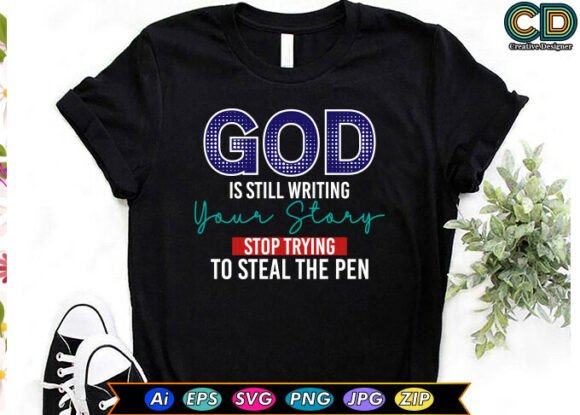
The phrase “GOD is STILL WRITING YOUR STORY” has an uplifting and spiritual tone, which immediately tells me this design is ideal for personalized gifts, custom apparel, or even handmade products aimed at encouraging someone going through a tough time. It’s the kind of message that resonates deeply and feels intentional. The word “STOP TRY” adds a modern twist—perhaps a call to pause, reflect, or let go of overthinking. Combined, these elements create a visual and emotional balance that makes the design feel both bold and thoughtful.
Visually, the layout appears clean and well-proportioned. The font choice seems deliberate, with enough character to be expressive without being overly ornate. As a designer, I appreciate that it reads clearly from a distance and retains detail up close. This suggests it could work well as a tote bag design or on a sweatshirt embroidery where legibility is key.
Real-World Application and Use Cases
I imagined using this design on a custom sweatshirt for a client who wanted something meaningful for their wedding gift collection. The message fits perfectly into holiday gifts or nursery decor too, especially if the style is softened or adapted to suit those themes. For Etsy sellers and small shop product creators, this could become a staple in personalized items like aprons, pillows, or tea towels.
One thing I noticed early on is that the design would work best in machine embroidery design applications rather than hand embroidery. The structured layout and potential for color variation suggest that a machine stitch will preserve the clarity and intent of the original artwork. Whether you're making a printable mockup for digital product previews or preparing physical embroidered patch samples, the versatility of the file formats provided gives room for experimentation.
How It Translates to Stitched Projects
In terms of stitch types, I expect this design to rely heavily on satin stitch and possibly some fill stitch areas depending on the version used. The text is likely stitched in a solid format, while the “STOP TRY” part may incorporate bolder lines or subtle shading. If there are any decorative accents, they’ll probably be minimal to keep the focus on the message itself.
For a tote bag project, the size of the design is crucial. The dimensions of the transparent PNG printable (4500×5400 pixels at 300 dpi) give us a good baseline for scaling. However, before committing to production, I’d recommend testing the design on a scrap fabric similar to your final product. This helps assess stitch density and whether the design holds up after multiple washes—a big concern for items like baby clothes or kitchen towels.
Design Strengths and Visual Appeal
This design stands out because of its strong message and clear typography. When applied correctly, it can elevate the product value significantly. A simple white t-shirt becomes more than a garment—it transforms into a statement piece. For craft business owners and creative entrepreneurs, this kind of impact is invaluable.
From a branding perspective, the design supports brand consistency if you’re running a line of motivational wear or home goods. Its adaptability across different design assets means it can fit into various collections without losing its core identity. The customer trust factor also plays in here; people tend to resonate with messages that feel authentic and positive.
What I particularly like is how it can serve as a conversation starter. Whether it's on a custom apparel piece worn at a boutique event or a handmade product sold at a craft fair, the design invites engagement. That’s a win for buyer engagement and giftability.
Cautious Use Scenarios
That said, there are a few situations where this design should be used carefully. First off, if you're working with small hoop sizes, the full text might get cut off or appear cramped. Always check the recommended hoop size before loading it onto your machine—this isn’t specified in the product description, so do your due diligence.
On textured fabrics, such as canvas or flannel, the stitch quality might vary slightly. The same goes for thin fabric or stretchy fabric. These materials can cause distortion or make fine details less defined. You might need to adjust thread colors and stabilizer choices accordingly.
If you're planning to use this on dark fabric backgrounds, consider the contrast. While the JPG and PNG files give a good preview, the actual stitch outcome can differ. I’d recommend creating a black-and-white mockup first to evaluate how the text will show up. Also, watch out for curved surfaces like caps or hats—scaling and positioning require extra precision to maintain readability.
Detail Level and Fabric Care
There are no intricate flourishes or tiny lettering to worry about, which is a relief for hobbyists and makers. However, if you're aiming for a high-end look, you might want to enhance the edges with a small running stitch or add a border to frame the text. These tweaks can improve the professionalism of the finished product, especially for commercial embroidery projects.
Because this is a digital embroidery file, I’d caution against using it on products that undergo frequent washing, like everyday apparel or kitchen towels, unless you ensure proper backing and stabilizing. Dense stitch areas might lead to puckering or fraying over time if not handled right.
Designer Notes and Best Practices
- Test on scrap fabric before applying to your final product.
- Check thread color contrast against your chosen fabric.
- Review stitch density to avoid overstuffing delicate materials.
- Confirm the hoop size required, as it’s not listed in the product specs.
- Inspect small details to ensure they remain clear and consistent after stitching.
- Create a black and white mockup to test visibility on dark fabrics.
- Use appropriate stabilizer for stretchy or thin materials.
- Always verify licensing terms before selling finished products or digital embroidery files.
Adaptation Tips for Different Projects
For applied applique designs, the transparency of the PNG file allows for creative layering with other motifs or textures. In baby embroidery projects, consider reducing the scale slightly to match the smaller proportions of onesies or bibs. On pillow covers or blankets, you might place the design centrally or repeat it subtly for a modern pattern effect.
When using this for T-Shirt Designs and Graphics, think about placement. Centered chest embroidery works well for most styles, but back-of-neck or sleeve options could offer a unique touch. Just remember, the visual personality of the design is strong, so avoid overcrowding it with too many elements around it.
Final Thoughts for Crafters and Entrepreneurs
The GOD is STILL WRITING YOUR STORY STOP TRY design has potential across a wide range of embroidery projects. It’s versatile enough for personalized gifts and professional enough for commercial embroidery ventures. But as with any embroidery file, success depends on careful preparation and understanding of your materials and audience.
For small business owners and handmade shop owners, this could become a signature piece. For hobbyists and makers, it’s a great way to explore how text-based designs can influence buyer perception and product appeal. Just be sure to tailor the application to the material and purpose. And above all, check the licensing—if you plan to sell the finished items or share them online, knowing the rules ahead of time saves a lot of headaches later.
Embroidery is as much about technique as it is about intention. With the right care and creativity, this design can become a powerful addition to your portfolio or store. Let it speak for itself—but know exactly how it’s going to sound when stitched.