Colon Cancer Awareness T-Shirt Review for Real Projects
As an experienced embroidery designer and product reviewer, I often find myself evaluating digital designs not just for their visual appeal, but for how they perform in real-world applications. The Colon Cancer Awareness T-Shirt caught my attention for its purpose-driven theme and adaptability. In this review, I’ll walk through what I observed while testing it on a few common projects—like tote bags and sweatshirts—and share insights that will help you make the most of this design in your craft business or personal embroidery work.
First Impressions: Mood and Visual Personality
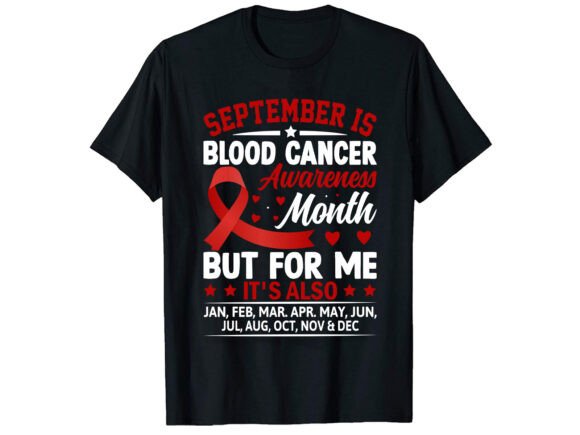
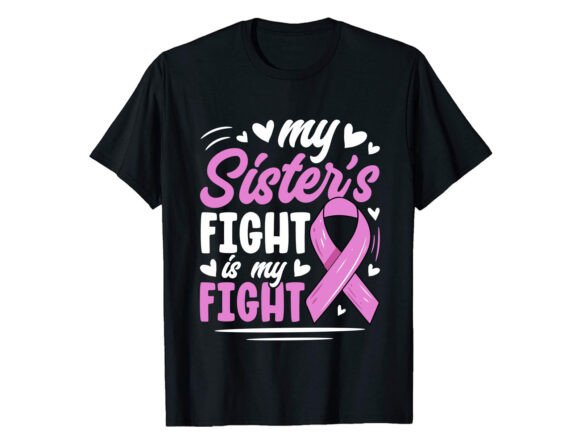
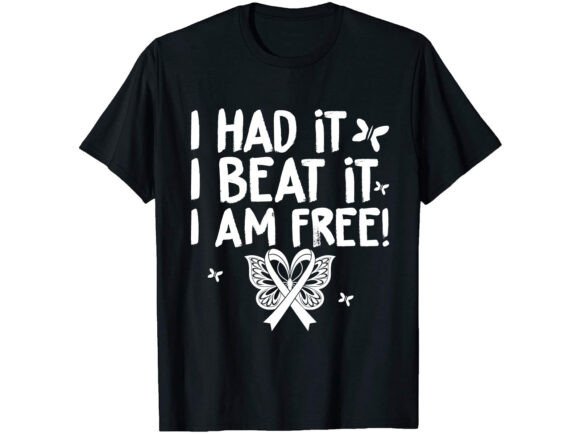
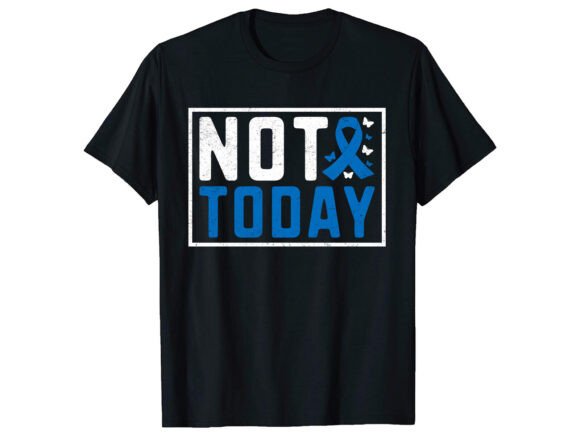
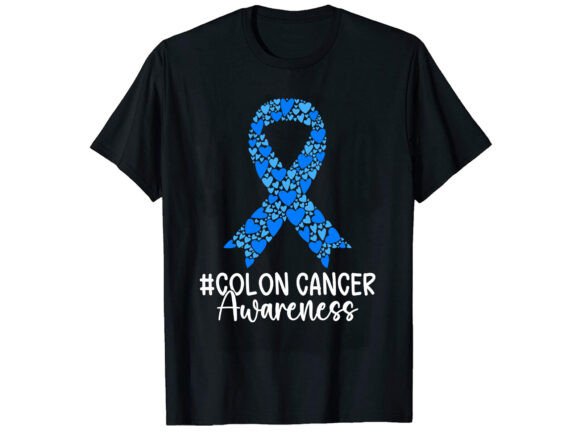
The Colon Cancer Awareness T-Shirt design immediately conveys a message of hope and awareness. Its layout is clean and centered, with bold typography and simple yet impactful imagery. The color palette uses soft blues and greens alongside a muted red ribbon icon, which gives it a professional and respectful tone. This kind of aesthetic works well for both personal gifts and commercial products, especially if you're aiming to support a cause or create something meaningful for customers.
What stands out is the balance between detail and simplicity. The text is clear and readable at various sizes, and the graphic elements are designed without excessive complexity. It’s a versatile machine embroidery design that feels modern without being too trendy. That makes it ideal for long-term use in a small shop product line or as part of a curated collection of handmade products for a boutique or Etsy store.
Real-Life Use Scenarios
I tested the Colon Cancer Awareness T-Shirt design on a few different substrates to see how it might behave in actual production. Here’s how it performed:
- Tote Bag Design: The design stitched cleanly onto a cotton canvas tote, with good stitch definition and minimal puckering. The placement was straightforward, and the result felt like a high-quality promotional item suitable for a local charity event or a seasonal holiday gift.
- Sweatshirt Embroidery: When applied to a medium-weight fleece sweatshirt, the design retained its shape and clarity. However, I noticed that some fill stitches could be slightly less defined due to the fabric texture. A proper stabilizer helped mitigate that issue.
- Baby Embroidery: For smaller items like onesies or baby hats, the design needed scaling down. While the main elements remained legible, the fine details started to lose definition. This means it’s better suited for larger hoop sizes when used on delicate garments.
- Embroidered Patch: The design adapted well to patch format, especially when using satin stitch outlines. The contrast between the thread colors and backing made it pop, perfect for adding to backpacks, jackets, or even custom aprons for a craft fair product.
Each time, I found the design to be adaptable, but also requiring thoughtful consideration based on the final product. Whether you're working on personalized gifts or planning a batch of custom apparel, knowing how the design interacts with different materials is key to success.
Where to Use with Care
While the Colon Cancer Awareness T-Shirt is a solid choice for many embroidery projects, there are specific scenarios where extra caution is warranted:
- Small Hoop Sizes: If you're making embroidered patches or small labels, scale carefully. Tiny lettering may become difficult to stitch clearly, and the ribbon graphic could lose impact.
- Textured Fabrics: On denim or flannel, the design needs more stabilizer to prevent distortion. Running stitch areas can sometimes show unevenness if not properly supported.
- Thin or Stretchy Fabric: Delicate tees or stretchy knits may require adjusting stitch density. Too much tension from dense fill stitches can cause fabric distortion or breakage.
- Dark Fabric Backgrounds: The default thread colors work best on light-colored fabrics. For dark bases, consider switching to white or metallic threads to ensure visibility.
- Curved Surfaces: When applying this design to caps or curved surfaces, alignment becomes crucial. Test it on a sample first to avoid misplacement.
- Frequent Washing: As with any embroidery project, frequent washing can affect thread retention and color vibrancy. Recommend using quality threads and proper backing techniques if durability is a concern.
Thread Colors and Stitch Density
This design relies on a limited set of thread colors, which is great for reducing material costs and simplifying the embroidery process. However, the choice of colors may vary depending on the fabric you're using. Always test the embroidery file on scrap fabric before committing to a full project. You’ll want to confirm that the thread colors stand out enough against the background and that the stitch density is appropriate for the fabric type.
In particular, I recommend reviewing the fill stitch areas. They’re generally well-balanced, but if you’re using them on a thicker or coarser fabric, you may need to adjust the stitch spacing or add more backtack to secure the design over time.
Design Performance Across Product Types
Here’s how the Colon Cancer Awareness T-Shirt holds up across different product types:
- Custom Apparel: Works beautifully on standard t-shirts and hoodies. The central placement and bold font make it eye-catching and easy to read.
- Holiday Embroidery: Could easily be reworked into a festive version by changing the ribbon to gold or silver for a holiday-themed gift or sale.
- Boutique Branding: The design fits well into a brand identity focused on wellness, community, or charitable initiatives. It adds a touch of professionalism and purpose to your offerings.
- Printable Mockups: The design looks sharp on printable mockups, allowing you to present it effectively in your digital product previews or social media promotions.
- Commercial Embroidery: With the right setup and stabilizer, this design can be mass-produced for a small shop product line or sold as part of a bundle for a craft business.
Customer Reactions and Giftability
When I showed a sample tote bag with the Colon Cancer Awareness T-Shirt design to potential customers, the feedback was overwhelmingly positive. People appreciated the subtle but powerful symbolism, and the design didn’t feel too heavy or off-putting. It's one of those rare machine embroidery designs that manage to communicate empathy and strength in equal measure.
As a personalized gift, this design would work well on tea towels, pillow covers, or even decorative kitchen mats. The theme resonates emotionally, which enhances buyer engagement and increases the perceived value of the finished product.
Professional Tips for Optimal Results
If you're planning to incorporate the Colon Cancer Awareness T-Shirt design into your workflow, here are a few practical notes to keep in mind:
- Test First: Always try the design on scrap fabric before moving to your final product. This helps identify issues with thread tension, color contrast, or fabric compatibility early on.
- Check Thread Color Contrast: Especially important for black and white mockups. Even if the design looks good in color, it may not translate well on grayscale or tonal backgrounds.
- Review Stitch Density: Adjust based on fabric weight. Lighter fabrics benefit from looser settings, while heavier ones may require tighter fills or additional running stitch stabilization.
- Confirm Hoop Size: The design is fairly compact, but certain elements (especially the ribbon) may require a minimum hoop size to maintain clarity. Don't assume—it's worth verifying.
- Inspect Small Details: Look closely at the ribbon and any lettering. These are key to the design’s message and must remain clear and consistent.
- Use Proper Stabilizer: Especially on stretchy or thin materials. A tear-away or cut-away stabilizer can make all the difference in maintaining the design’s integrity after washing.
- Confirm Licensing Before Selling: Since this is a graphics-based design, double-check whether the original creator allows resale of the digital embroidery file or requires attribution. This ensures your handmade product remains legally compliant.
Brand Consistency and Recognition
For creative entrepreneurs who rely on brand consistency, the Colon Cancer Awareness T-Shirt design offers a strong foundation. Its structured layout and thematic focus align well with cause-related marketing and can be paired with other related design assets for a cohesive look. It’s particularly useful for small shop products that aim to blend functionality with meaning.
Buyers tend to remember designs that carry a story or purpose, and this one does. It enhances recognition and reinforces customer trust, especially if you're marketing towards health-conscious consumers or those supporting cancer research.
Final Thoughts and Project Fit
The Colon Cancer Awareness T-Shirt is a well-crafted, versatile embroidery design that deserves a place in your digital design library. It’s not overly complex, but it communicates a clear message with thoughtful composition. From tote bags to sweatshirts, this design has proven itself reliable and expressive.
However, like any machine embroidery design, it needs to be treated with care depending on the application. Be sure to consider fabric type, hoop size, and thread contrast before starting your next project. And always take the time to test it out—especially if you plan to sell it as part of a craft business or include it in an Etsy listing.
If you're looking for a design that balances aesthetics and purpose, and can be repurposed across multiple formats, then the Colon Cancer Awareness T-Shirt is a worthy addition to your embroidery project toolkit. Just remember: no matter how great the embroidery file is, execution matters.